Showing posts with label finches. Show all posts

Tuesday, 6 April 2021

Miyake-jima

We stayed overnight on Miyake-jima between the ferry rides and while on the island, we spent some time, of course!, on birding.

Japanese White-eye (Mejiroメジロ) 


They are called Shichito-mejiro(シチトウメジロ), considered as a subspecies of the Japanese white-eye found in mainland Japan.


Varied tit (Yamagaraヤマガラ)


The lodging we stayed in had a bird friendly garden, which had a few feeders and a birdbath. Lovely!

The Varied tit is also a subspecies and called the Owston Yamagara(オーストンヤマガラ). Unlike the white-eye, the varied tit shows obvious differences. The ones we see in Chiba have a white forehead, nape and cheeks whereas the Owston's is orange-brown in those parts. I found the calls are a bit different too.


Oriental (Grey-capped) greenfinch (Kawarahiwaカワラヒワ)


Mr Minowa, our guide, said that these greenfinch are likely to be a subspecies called Oo-kawarahiwa (オオカワラヒワ), which are wintering here and soon going back to places like Kamchatka, the Kuril Islands and Sakhalin. Oh dear, I don't think I could follow all of the subspecies!


Japanese Robin (Komadoriコマドリ)


The Japanese robin on mainland Japan is a summer bird but the subspecies found in the Izu Islands are residents and called Tane-komadori(タネコマドリ). The obvious difference is that Tane-komadori lacks a black band between its orange breast and pale grey belly. Their songs are beautiful and they start singing well before the dawn just like the European robin, although the Tane-komadori doesn't sing during the winter.


Japanese pygmy woodpecker (Kogeraコゲラ)


【Warning】 Another subspecies!😂
Miyake-kogera(ミヤケコゲラ) are a subspecies of the Japanese pygmy woodpecker only found in the Izu islands and Yaku-shima but it is almost impossible to tell the difference by sight.
 

Japanese Woodpigeon (Karasubatoカラスバト)


No more subspecies, phew.

The Japanese woodpigeon is only found in islands in the far eastern region. Its extremely secretive and nervous character makes it very difficult to spot them even though their calls are often heard. It would be lucky if you spot them flying very fast between hills or over the canopy but we were truly lucky to see one in a tree. 


We had 8 target birds to see on the island - Izu thrush, Ijima's leaf warbler, Japanese woodpigeon, Owston's varied tit, Wren (subspecies), Japanese robin, Japanese white-eye, Japanese pygmy woodpecker - and thanks to our wonderful guide, Mr Minowa, we had a great view of each of them.

Excellent!


The map shows the locations of the Izu Islands and ferry routes.

You can visit the page of our trip to Hachijo-jima in 2014 by clicking here ↓

Hachijo-jima 1

Hachijo-jima 2 

Hachijo-jima 3


Tuesday, 7 January 2020

South Korea II

The Seoul Forest covers a large area near the Han and has woodlands, wetlands, ponds, reedbeds and lawns.


Good habitat for wildlife near water

Elegant Bunting (Miyama-hojiroミヤマホオジロ)


Daurian Redstart (Jobitakiジョウビタキ)

Hawfinch (Shimeシメ)

Vinous-throated Parrotbill (Daruma-enagaダルマエナガ)


There was a flock of over 50 of the parrotbill in the thicket but their movement was so quick I failed to get very clear shots!

Brambling (Atoriアトリ) & Tree Sparrow (Suzumeスズメ) - can you spot them?

Oriental Turtle Dove (Kijibatoキジバト)

Secret Gardens in Changdeokgung Palace

The water was completely frozen!

Gyongmyo Shrine

Mung bean Pancakes (bindae-tteok) in the market

It was a challenge to order what we wanted in the market - the lady who took our order and I somehow misunderstood each other and we were horrified when she brought us a huge plate of yukhoe (beef tartare)! We got the pancakes and sushi-rolls (gimbap) in the end. It was part of fun on holiday:) phew!

Saturday, 13 April 2019

Ecology Park

A Japanese Sparrowhawk (Tsumiツミ) was making a racket in the tree at the park.


I saw two of them chasing in the air later on so he probably didn't like the other one in his territory. I wonder if the J sparrowhawk breed in the park.

Hawfinches (Shimeシメ) were everywhere, fuelling up for their migration.


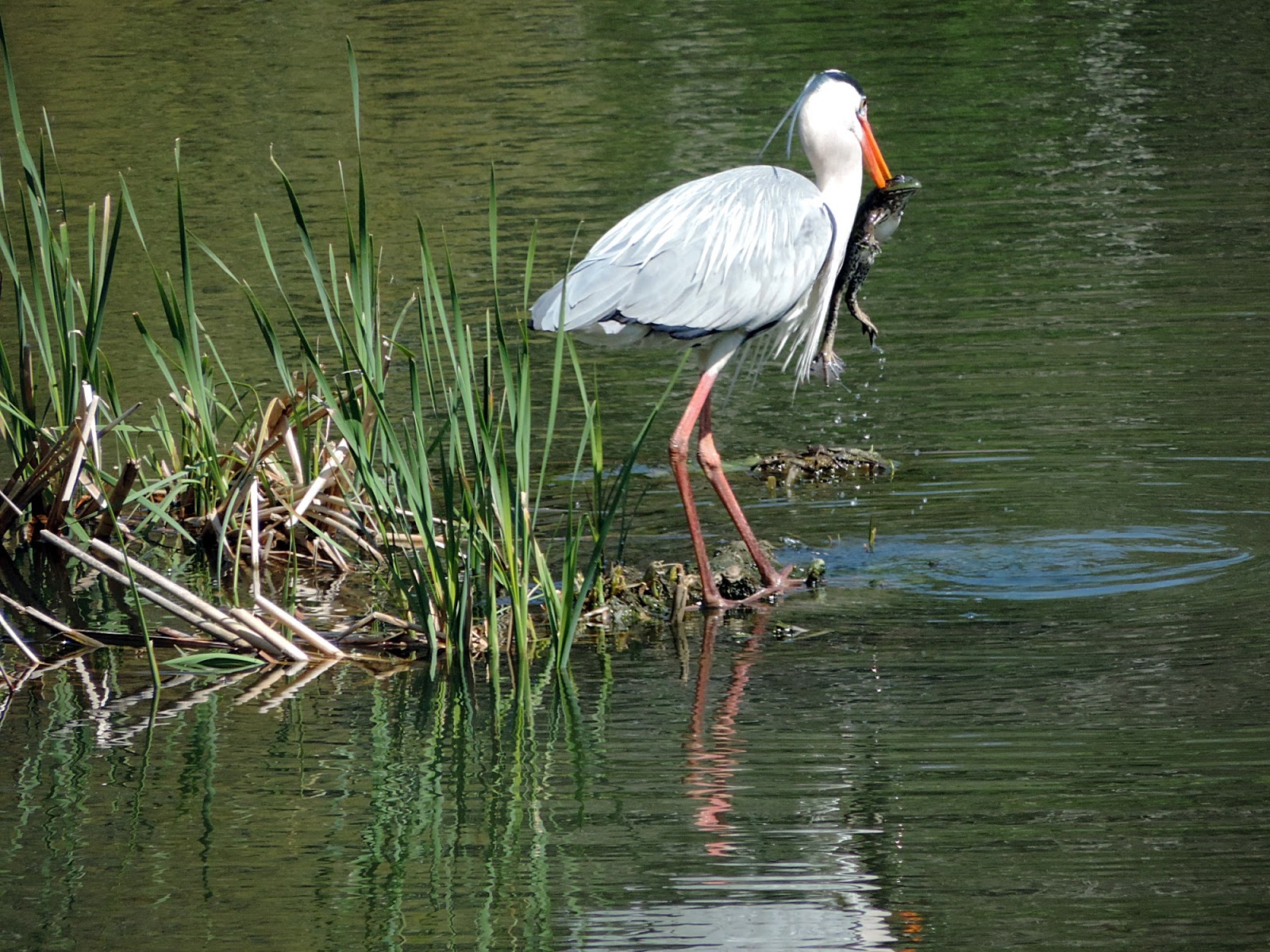
It was rather gory but that's nature for you.


The Bullfrog was trying not to be swallowed by the Grey Heron (Aosagiアオサギ) by pumping itself up but it was no use against Heron's powerful spear-like beak after all... 

Thursday, 11 April 2019

Chiba Koen

I decided to cycle to the park as I thought the park would become much quieter after the cherry blossoms had gone, and I was right.

Two Dusky Thrushes (Tsugumiツグミ) were fueling up before their migration for the north.
One of them started to have a bath in a puddle.


A lone Brambling (Atoriアトリ) was foraging under pine trees with Black-faced Buntings (Aojiアオジ).


Some Tufted Ducks (Kinkurohajiroキンクロハジロ) were still seen on the pond and all the resident birds such as Great Tits, White-eyes, White Wagtails and Brown-eared Bulbuls were busy singing all over the park. Spring has sprung! 

Wednesday, 20 March 2019

Seville, Spain

Just thought that I'd put up some photos of beautiful Seville (and of some birds seen in the city centre).

la catedral de Sevilla


la giralde (the bell tower)

El Real Alcázar de Sevilla 


the Gardens of the Real Alcazar


a pair of Common Kestrels in the centre


a Rose-ringed (ring-necked) Parakeet (introduced) checking upon the kestrel

nesting Monk Parakeets (introduced)


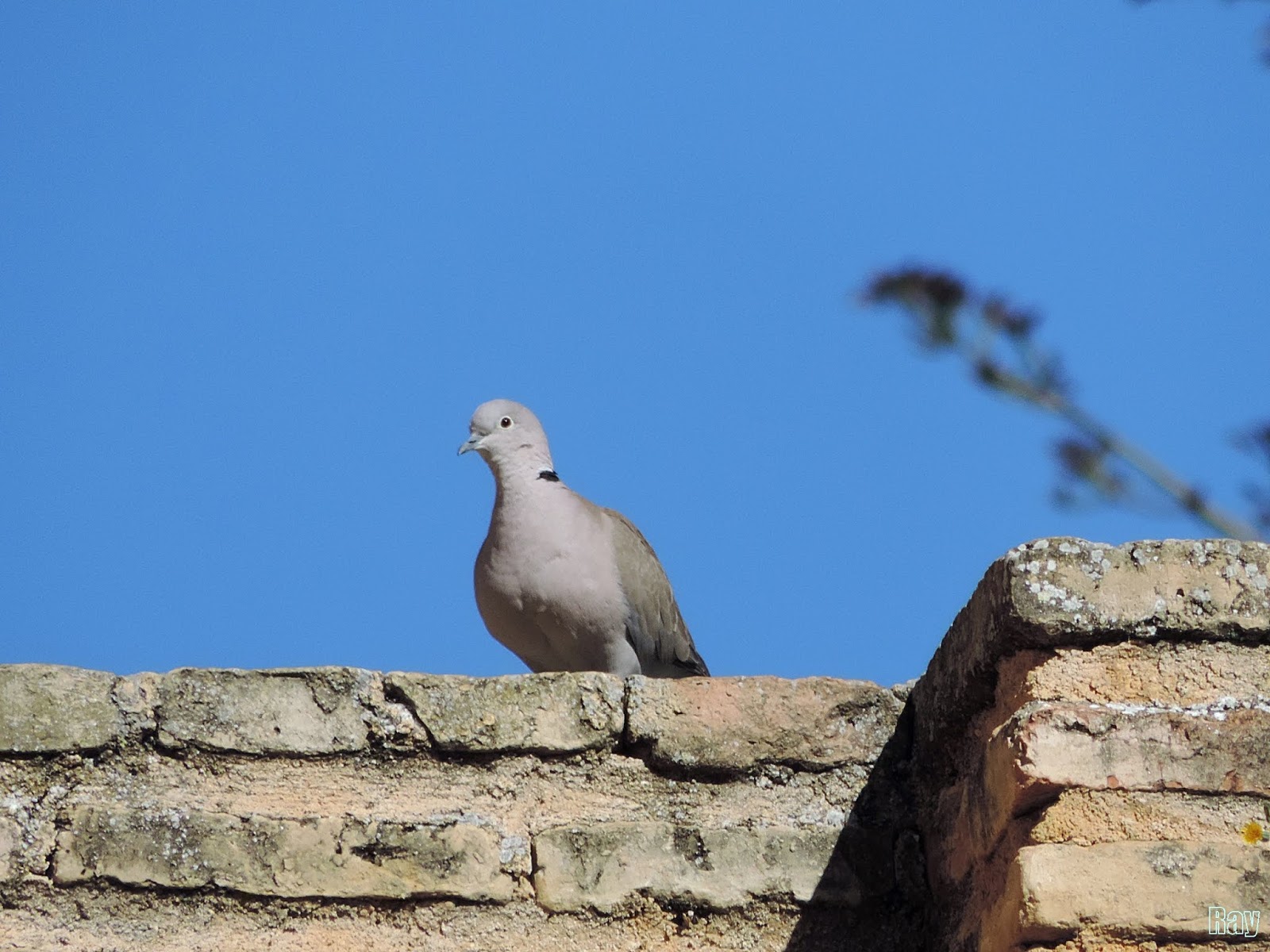
Collared Doves (resident)

European Serins (resident)

Western Great Tits (resident)

Rose-ringed (ring-necked) Parakeets

Western Jackdaws (resident)

Muscovy Ducks (ornamental)

It was a great holiday and I totally fell in love with Seville:)